
Biodiversity 2.0 is a paradigm shift.
For decades, biodiversity was treated as an inventory of species — something to be counted, cataloged, and protected within isolated reserves. Biodiversity 1.0 was the era of passive conservation: red lists, protected areas, and the hope that nature could defend itself if simply left undisturbed.
That did not work.
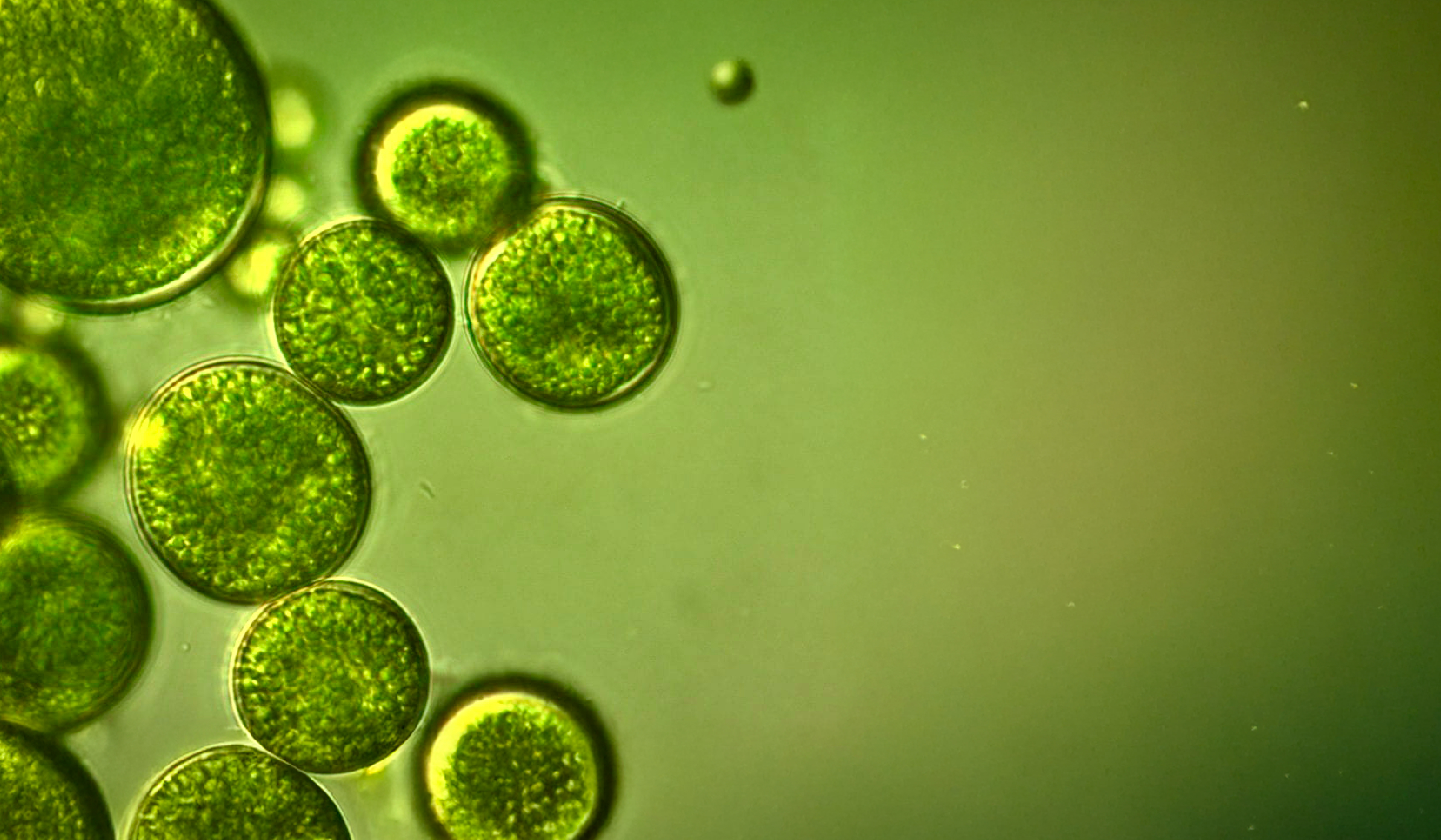
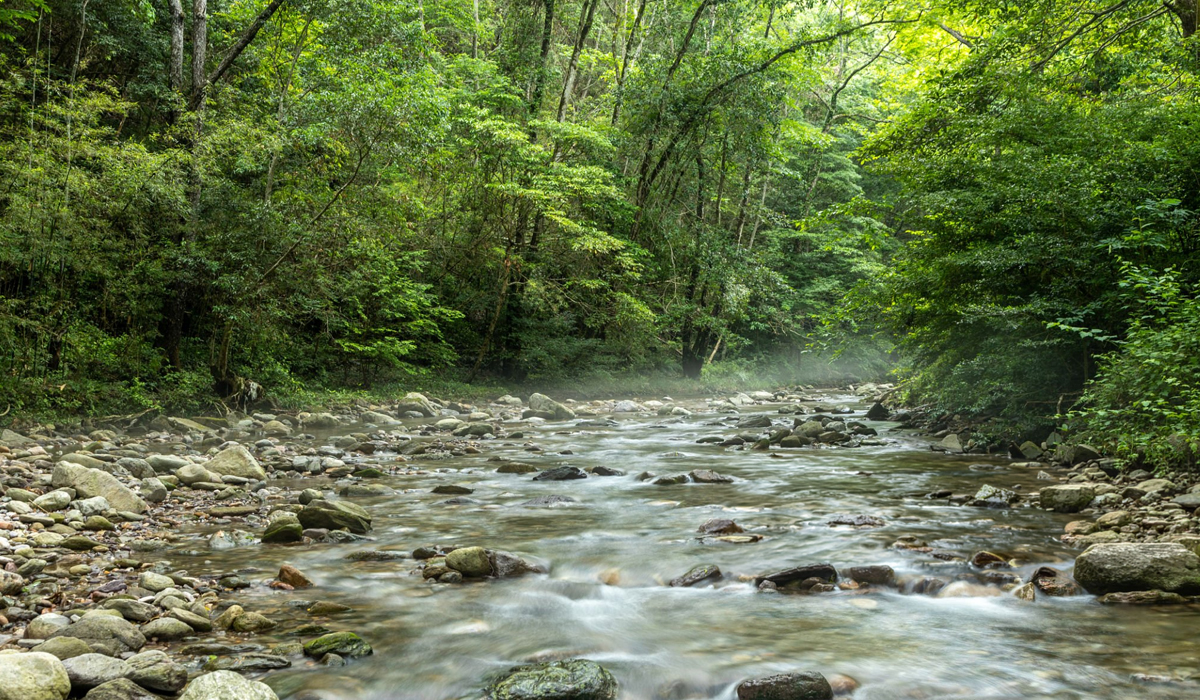
Biodiversity 2.0 recognizes that nature is not a museum; it is the structure that sustains everything. It is the biological machinery that creates fertile soils, regulates water cycles, supports pollination, breaks down pollutants, and stabilizes local climates. Without that machinery, agriculture collapses, water systems degrade, and economies dependent on natural resources fail. BioSummit 2026 is the platform where this paradigm will be presented to the world for the first time through scientific field evidence, operational certification frameworks, and the first financial instruments designed to value biodiversity as living infrastructure.
Biodiversity is not the backdrop of the economy. It is the machinery that sustains it.
Marcelo Salame, Architect of Biodiversity 2.0
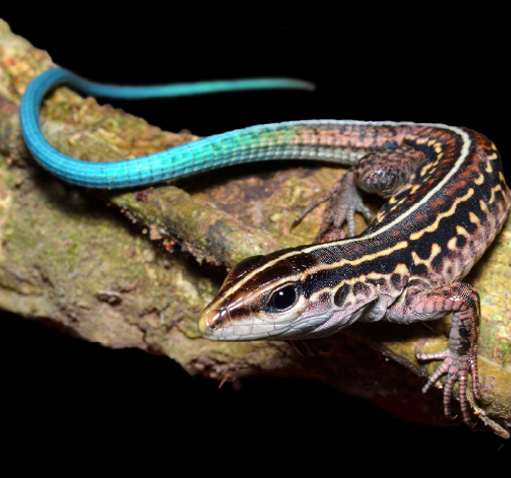
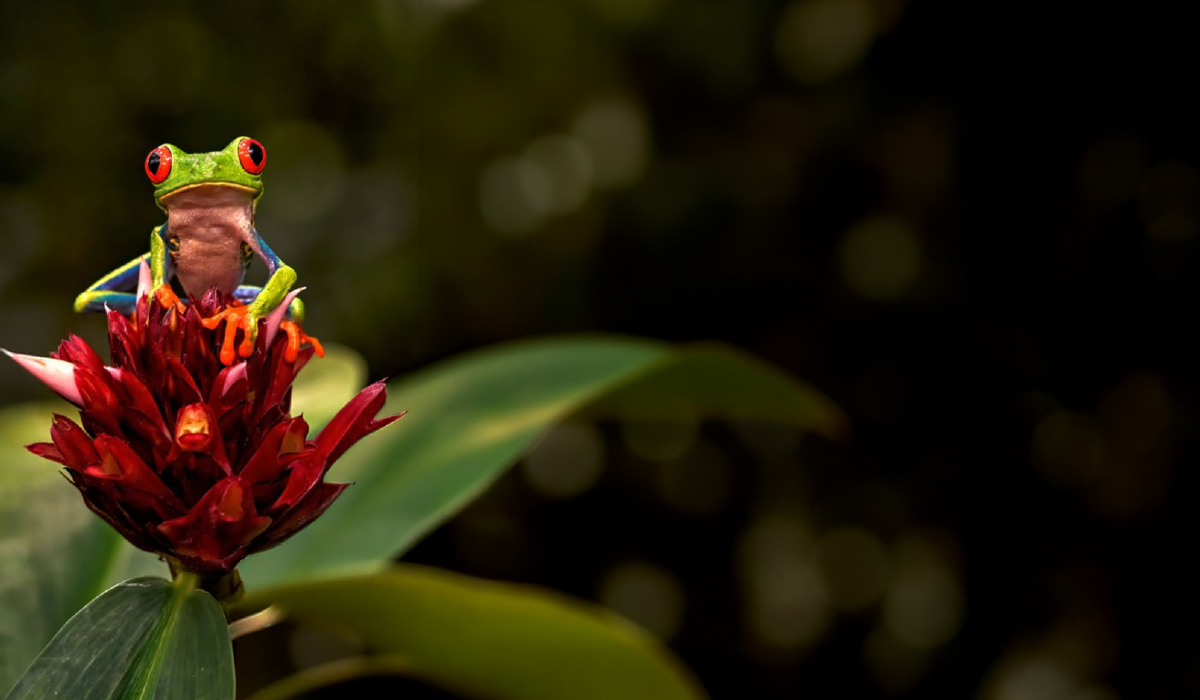
Ecuador is the most megadiverse country per square meter on the planet.
Today, that natural wealth is no longer just a symbol — it is becoming a strategic response to the world’s greatest challenges.
BioSummit 2026 emerges as a meeting point where science, innovation, bioeconomy, ancestral knowledge, and the productive sector converge to redefine our relationship with nature. Here, biodiversity is understood for what it really is: living infrastructure capable of sustaining economies, ensuring food security, protecting water resources, and creating new opportunities for ecosystem integrity.
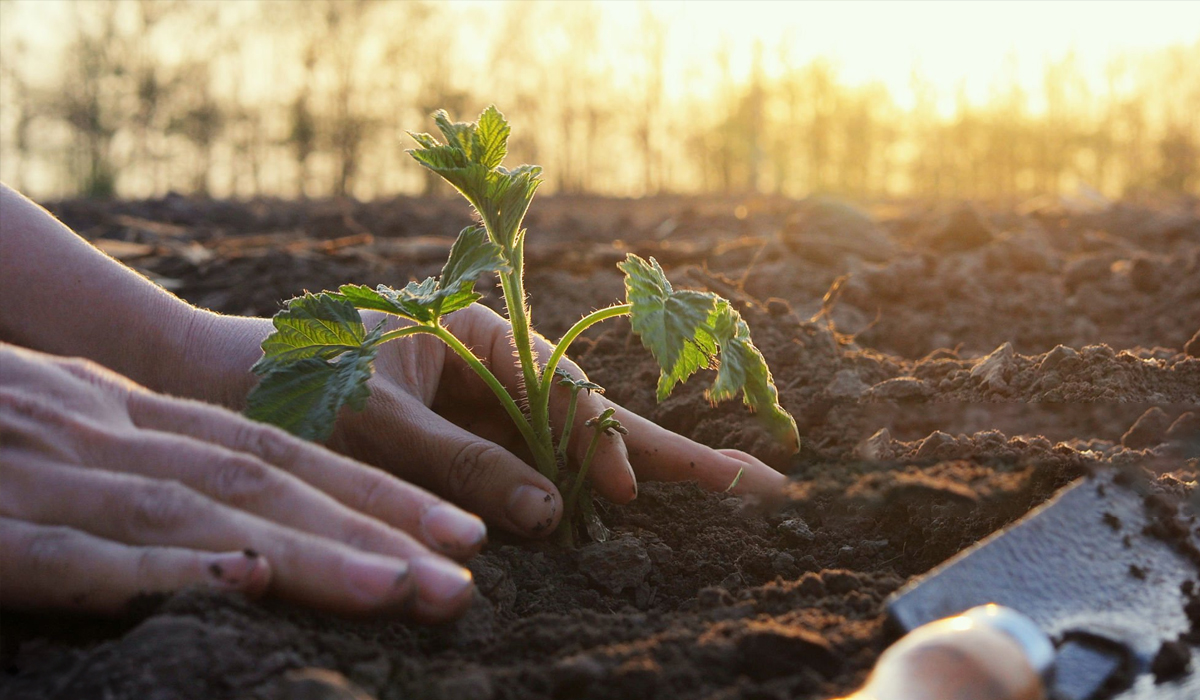
This Summit brings together leaders, researchers, companies, entrepreneurs, and decision-makers who believe the future is not built by exploiting ecosystems, but by regenerating them. It is an event designed to move from conversation to action, from narrative to impact, and from traditional conservation to Biodiversity 2.0 — where production also means restoration.
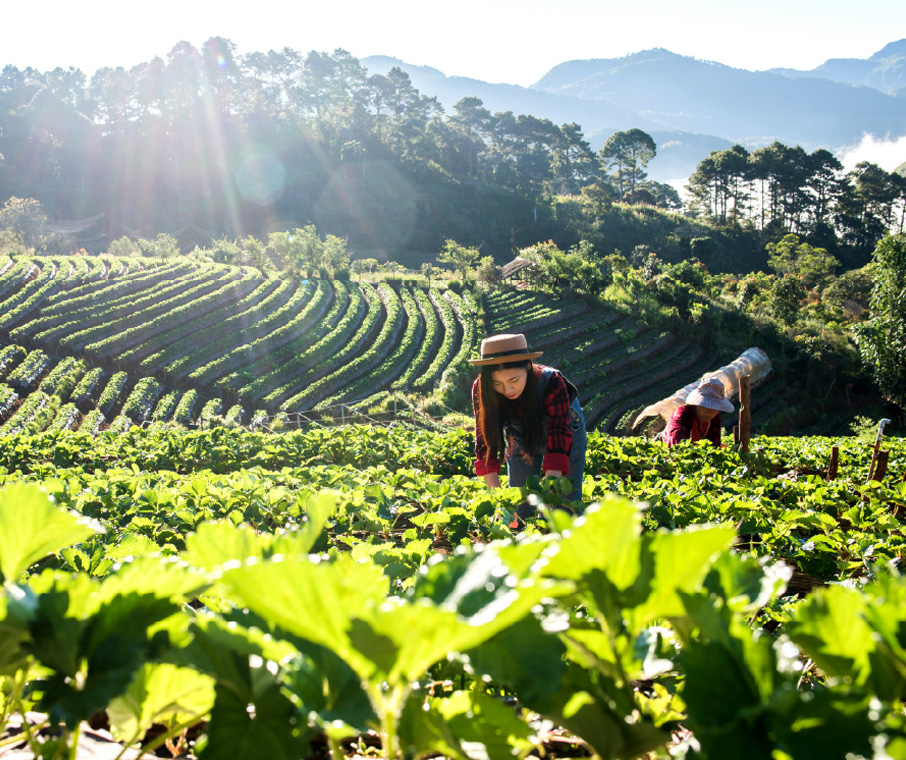

The objective of BioSummit 2026 is to establish the operational foundations for biodiversity to enter the global financial system with scientific rigor, independent verification, and direct participation from the communities that safeguard it.
Over the course of three days, the event will deliver tangible outcomes:
The Quito Declaration — a commitment signed by researchers, certification bodies, governments, investors, and communities to establish operational standards for global biodiversity Measurement, Reporting, and Verification (MRV).
The official launch of Biodiversity 2.0 as a scientific framework supported by field evidence from five Ecuadorian ecosystem types, serving as a replicable model for Latin America, Africa, and Southeast Asia. Direct connections between the productive sector, science, and climate finance, including biodiversity credits, verified carbon credits, and territorial governance models.
BioSummit 2026 is not a space for academic debate. It is a space for building. Every panel, workshop, and keynote is designed to produce tools and mechanisms that can be put into practice the very next day.
The fourth day of BioSummit 2026 will provide participants with the opportunity to explore Ecuador’s diverse ecosystems alongside experts, visiting some of the planet’s most biologically significant territories.
An immersive experience designed to understand biodiversity from the ground up and connect directly with the living systems that sustain the planet’s climate and ecological balance.
Get your pass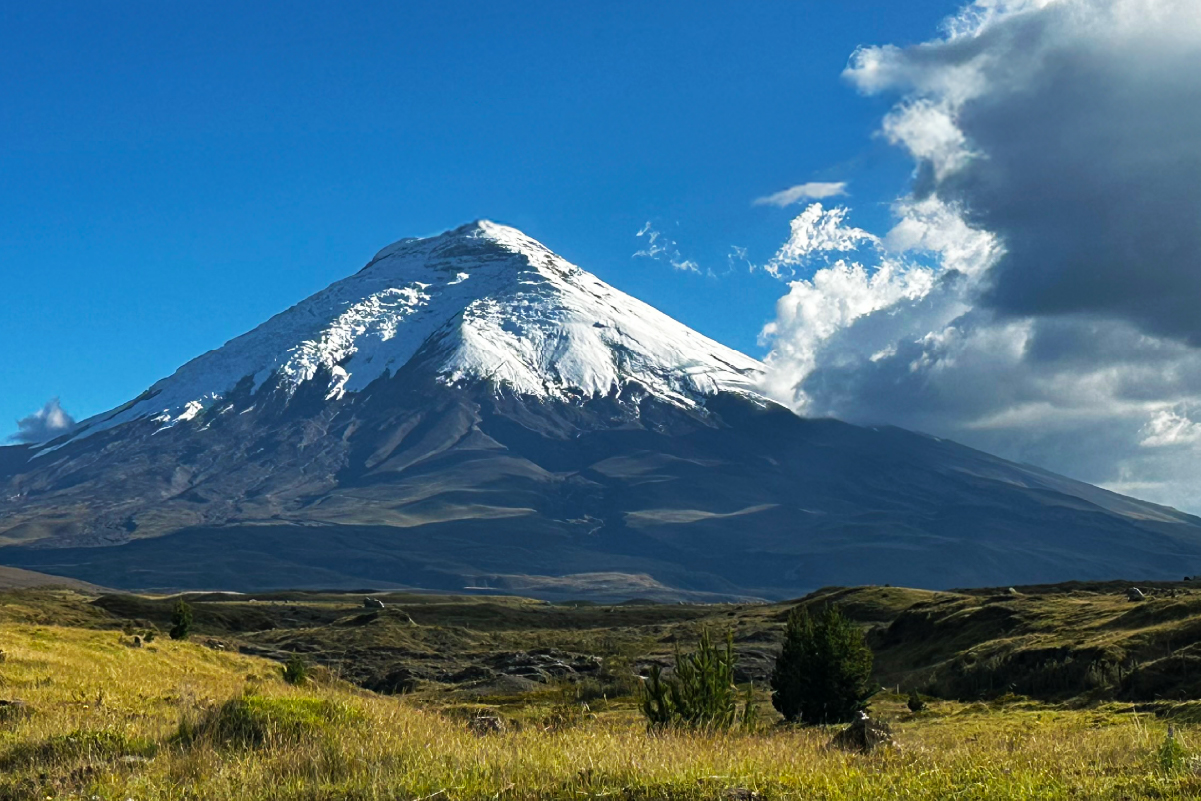
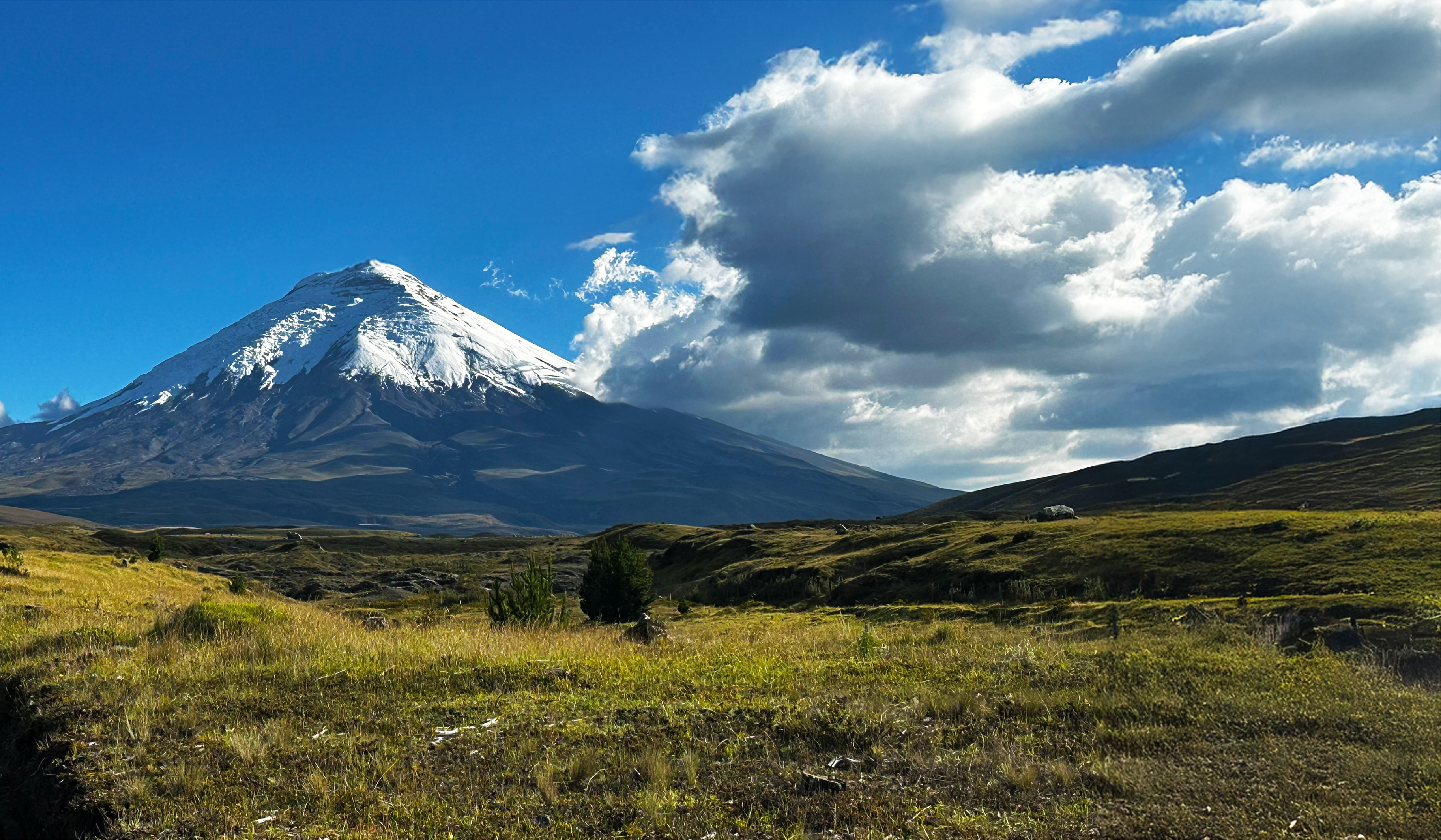
Home to tapirs, pumas, and spectacled bears within high-altitude ecosystems and uniquely rich biodiversity.
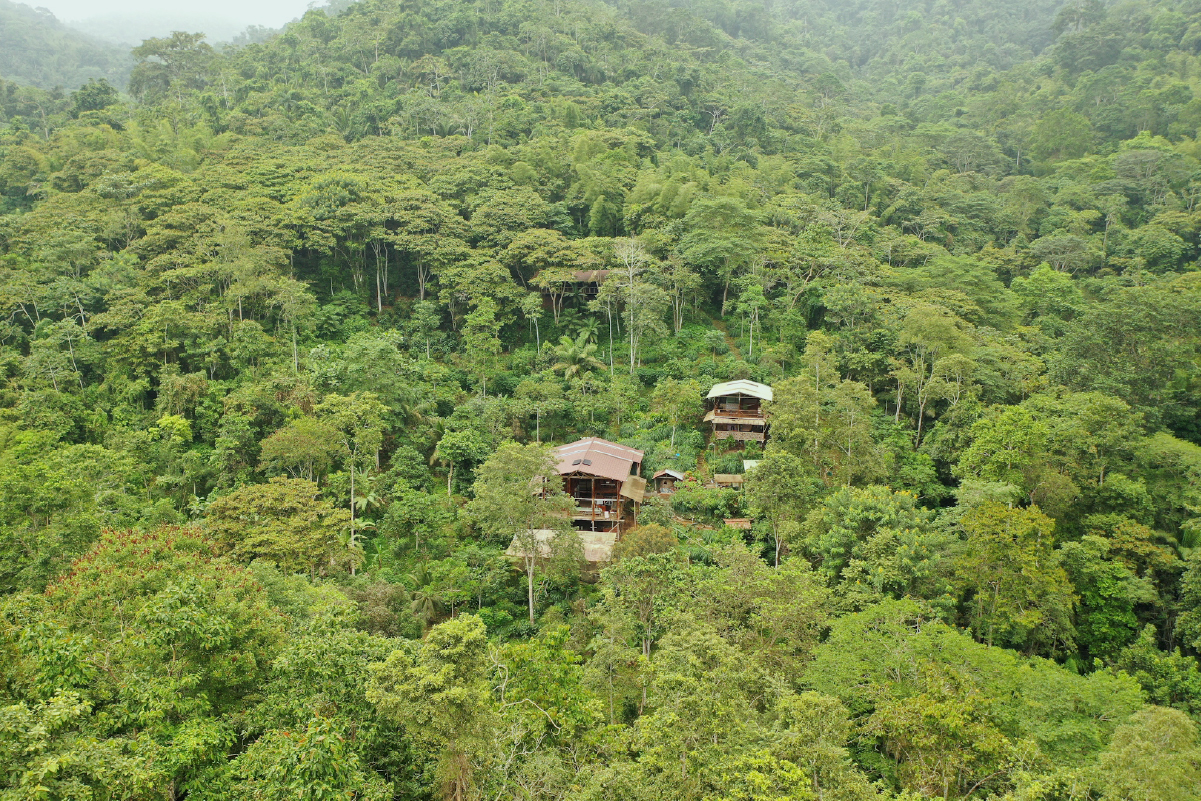
Unique ecosystems home to species adapted to extreme environmental conditions.
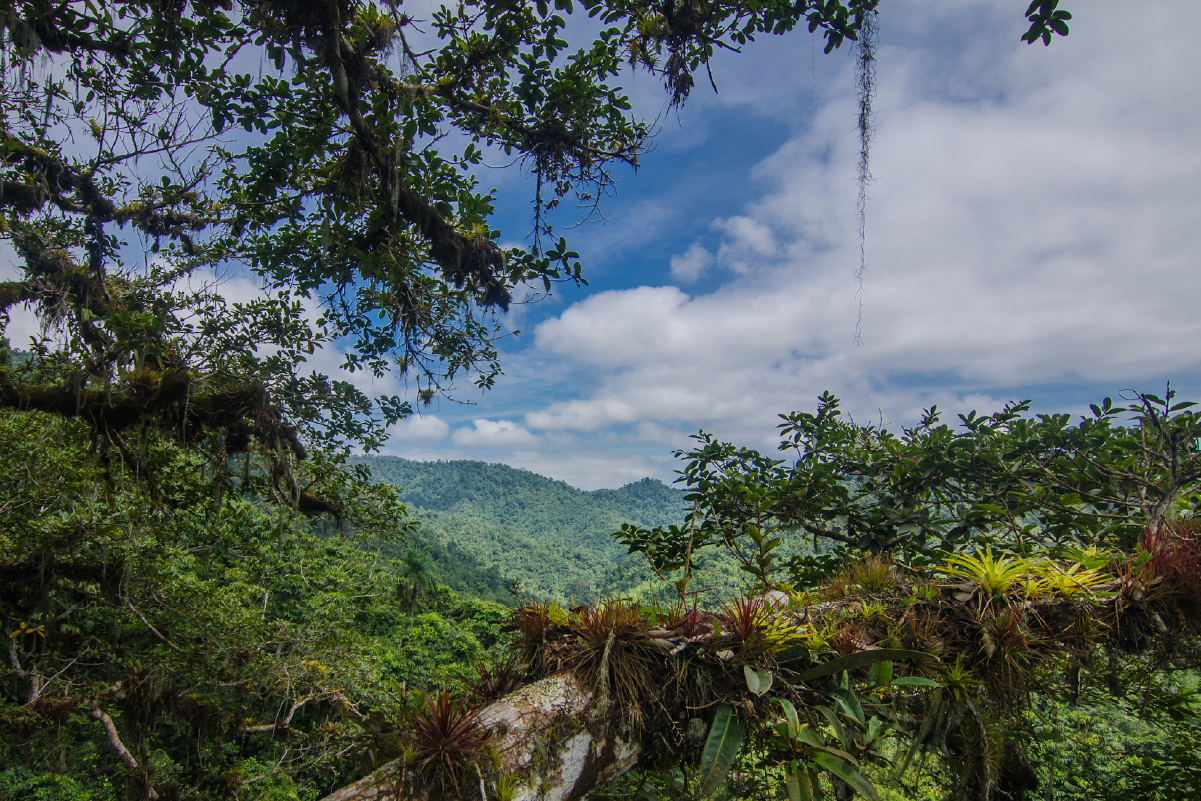
Territories of extraordinary biological richness, plant diversity, and remarkable ecosystems.
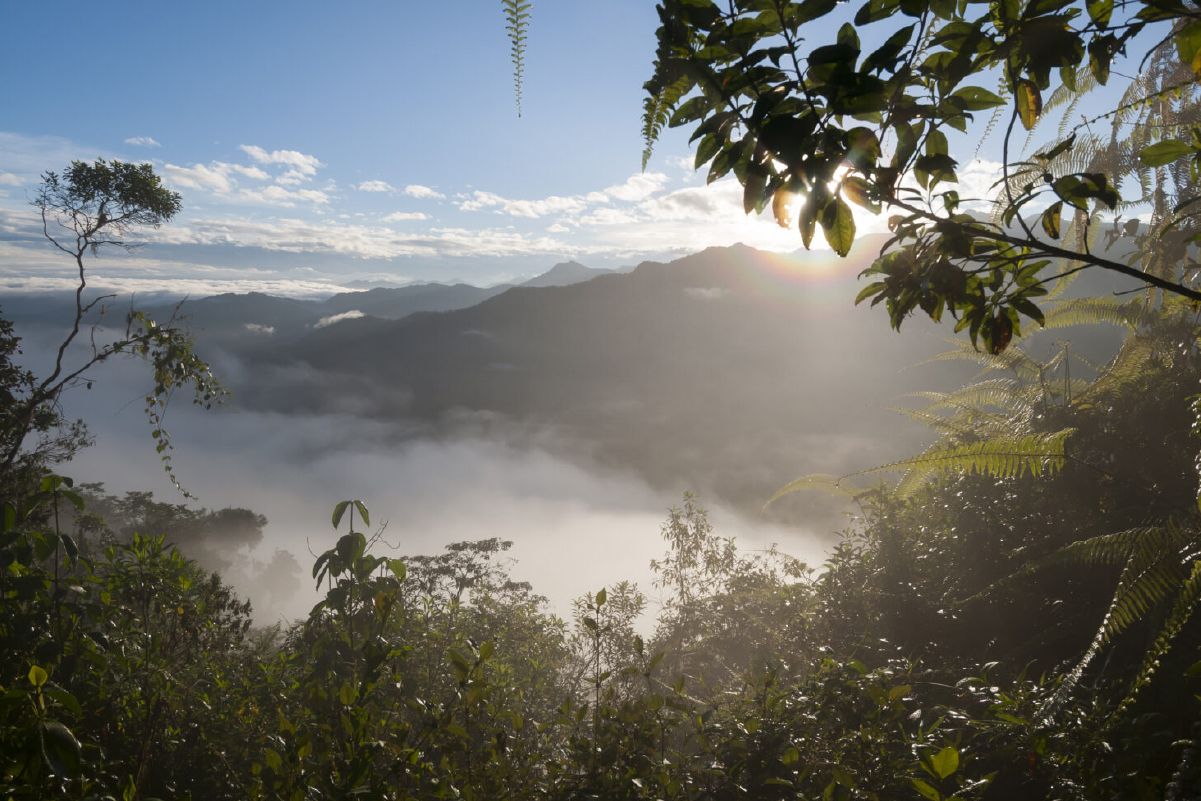
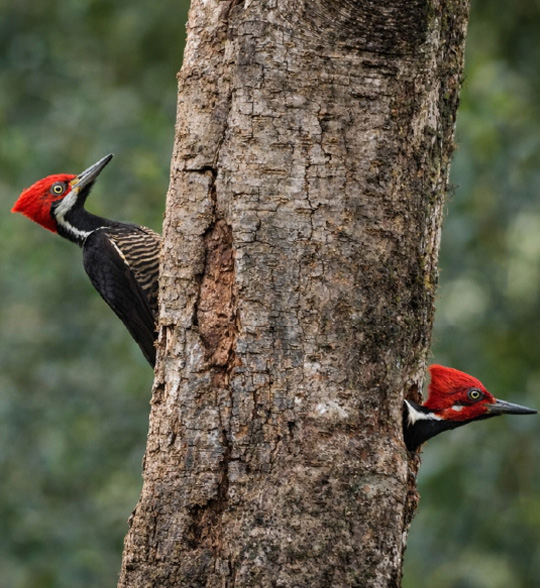
Home to thousands of bird species, extraordinary flora, and unparalleled biodiversity.